Red Alert: Record Sargassum Is Piling Up on Playa del Carmen Beaches Through Summer 2026
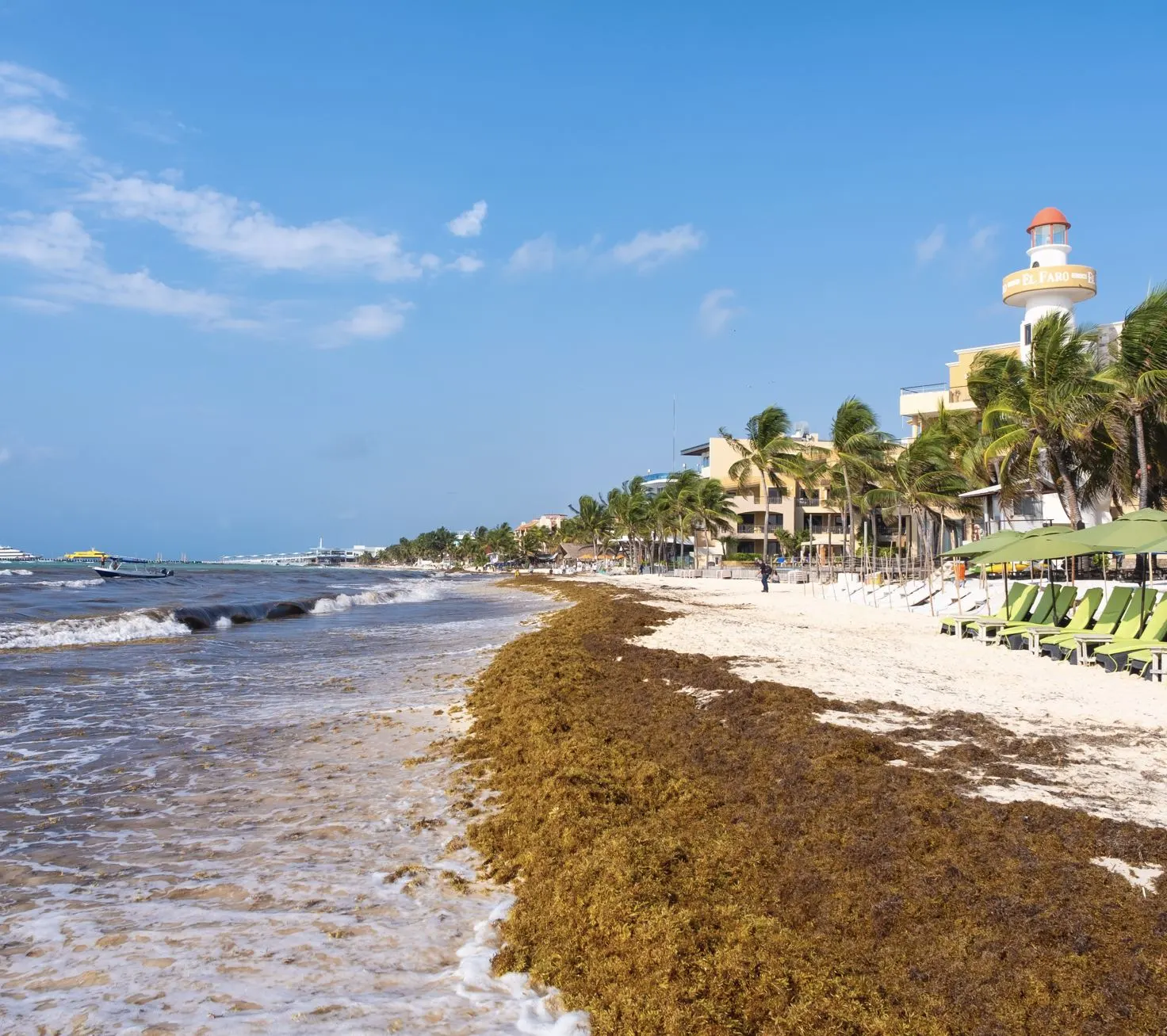
Playa del Carmen has declared a red alert for sargassum as record levels of the brown seaweed wash onto the Riviera Maya coastline through the summer of 2026. Fifteen northern Quintana Roo beaches have been designated red zones, including Playa Mamitas and El Recodo, the two stretches of sand that most visitors to central Playa del Carmen will encounter. The peak of the season runs from June through September, which means the seaweed is arriving right through the busiest visitor months.
Sargassum is not new to the Mexican Caribbean. The large blooms began in 2011 and have intensified most years since, driven by warming Atlantic waters and agricultural runoff from the Amazon and West Africa. What makes 2026 different is the volume. January alone saw 25 tons of sargassum removed from Playa Mamitas, which is unusual for what should be the low season. By the time the summer peak arrived, the red alert was already in place.
What red alert actually means on the ground
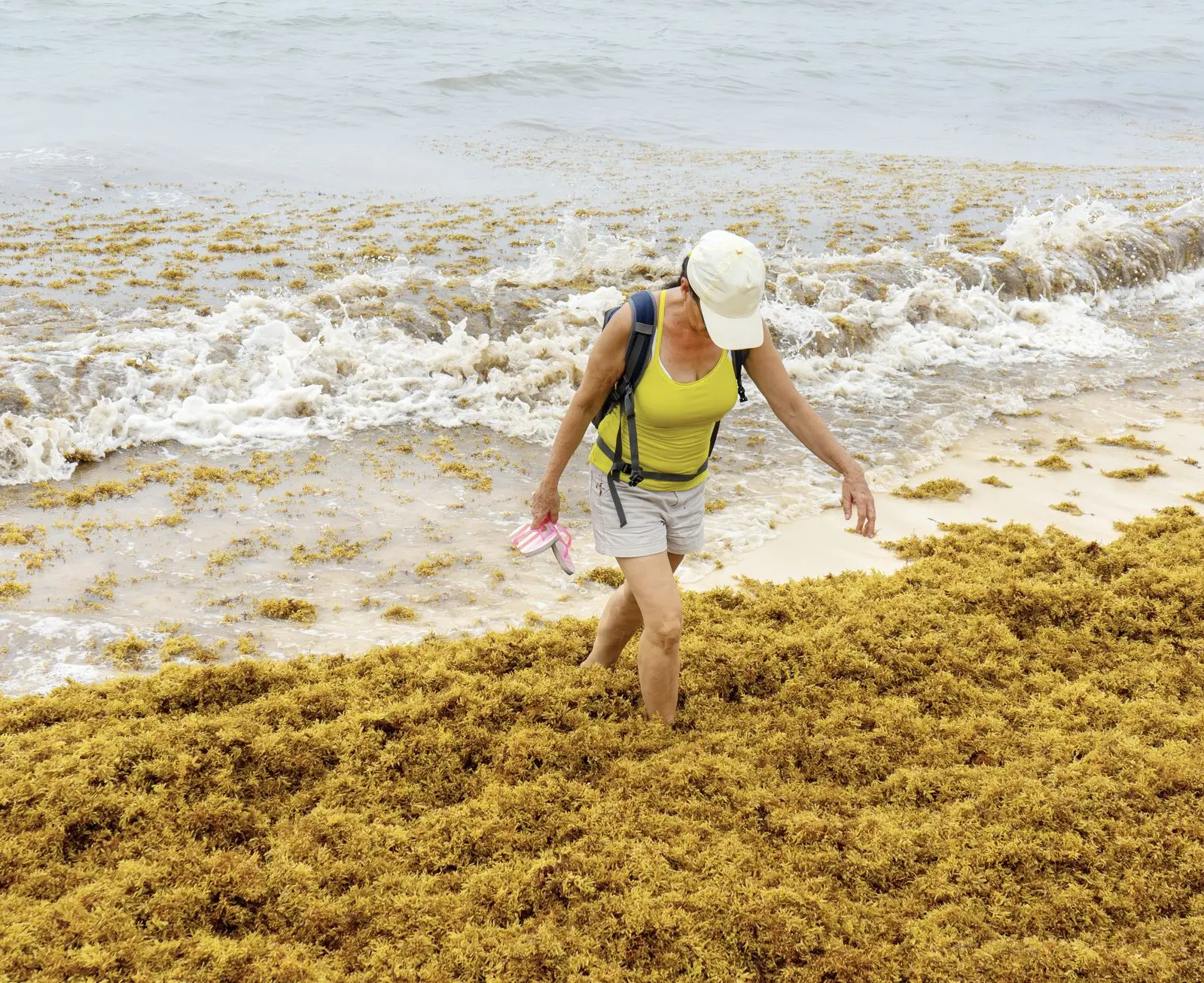
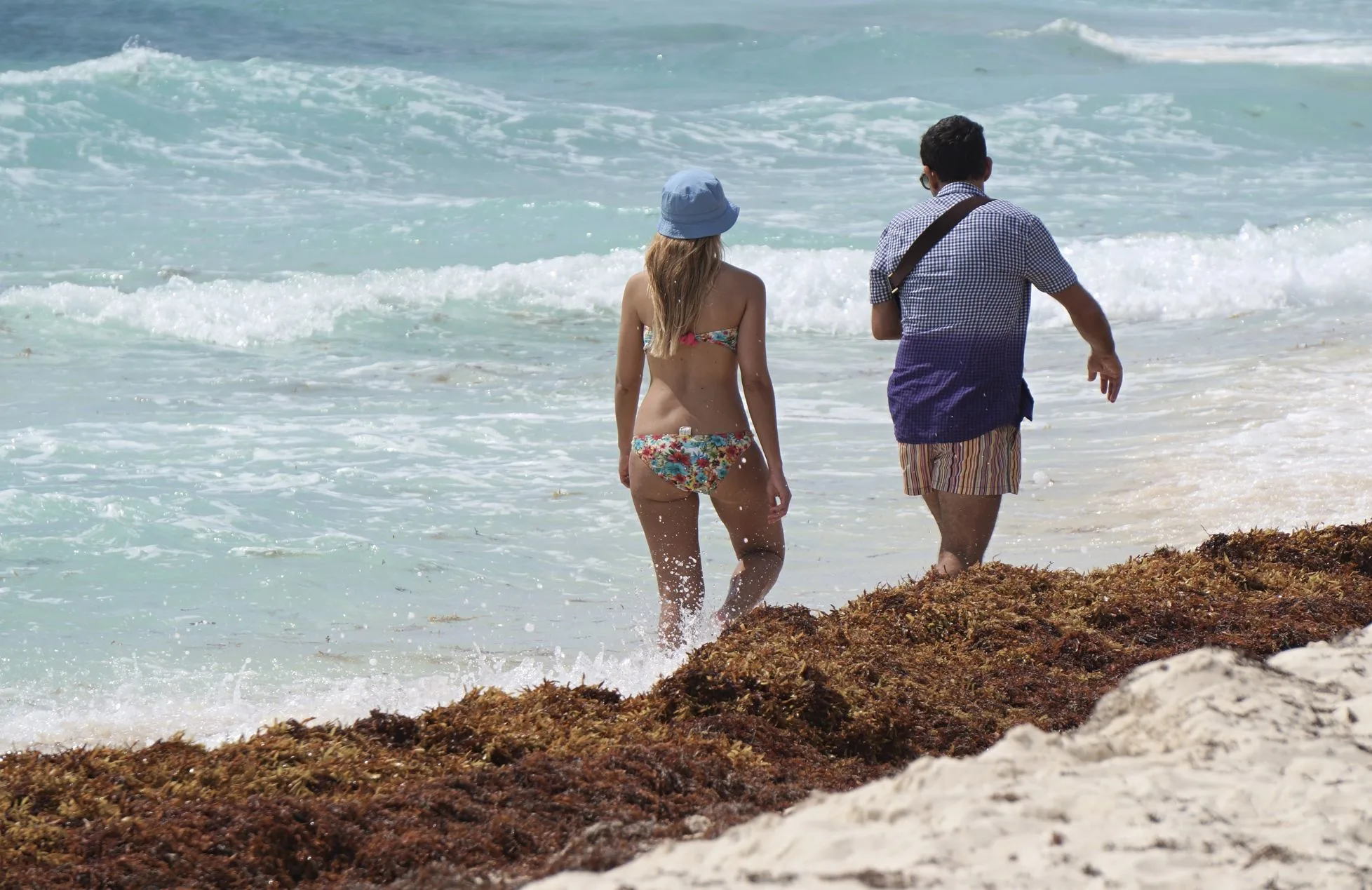
A red alert does not mean the beaches are closed. It means the volume of seaweed arriving is heavy enough that the municipal cleanup crews, who work with front-end loaders and dump trucks each morning before dawn, cannot keep pace with the incoming tide. The seaweed piles up in brown mats on the sand, decomposes in the sun, and produces a sulfurous smell that carries for a block or two inland. Swimming in affected water is unpleasant rather than dangerous, but most visitors opt out.
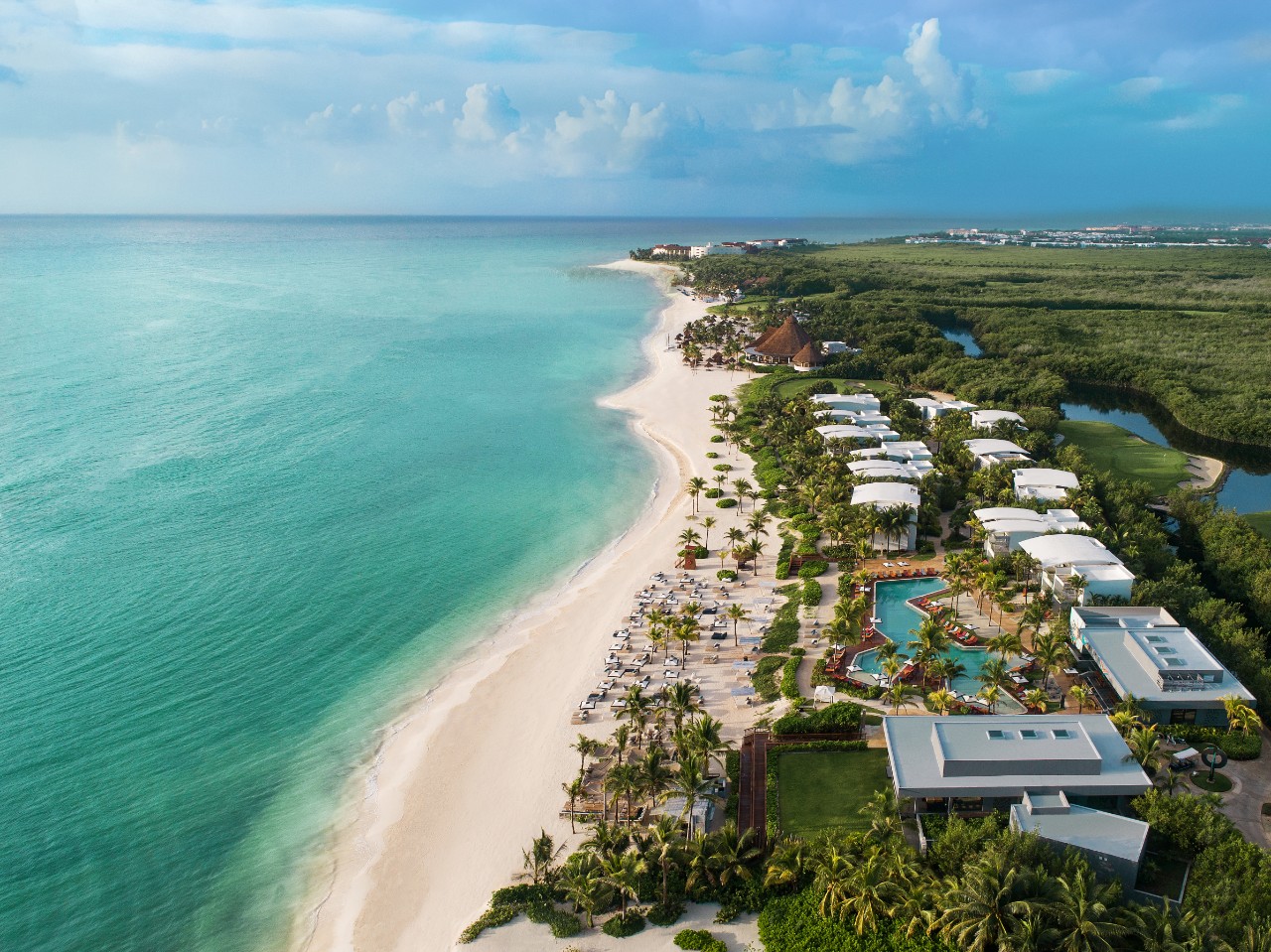
The practical impact depends on where you are staying. The large resorts south of Playa del Carmen, from Xcaret down to Tulum, operate offshore barrier systems and have dedicated cleanup crews that clear their beach fronts each morning. These beaches can be usable even during a red alert, though the water clarity suffers. The public beaches in central Playa del Carmen, which are not privately maintained, are the ones most visibly affected.
How to check conditions and work around it
The most useful tool for visitors is the real-time monitoring site howisthesargassum.com, which posts daily beach-by-beach condition reports for Playa del Carmen and the wider Riviera Maya. The site rates each beach on a traffic-light scale and includes recent photos, so you can see what the sand actually looks like before you commit to a walk. The Sargassum Monitoring Network also publishes satellite forecasts that predict arrival volumes up to a week ahead, which helps with day-trip planning.
The workaround that most visitors settle on is the cenotes. The freshwater sinkholes inland from Playa del Carmen, including Cenote Azul, Gran Cenote, and the Dos Ojos system near Tulum, are unaffected by sargassum because they are connected to underground rivers rather than the open sea. If the beaches are heavy, a cenote day is the alternative that the Riviera Maya does better than anywhere else in the world. The ferry to Cozumel is the other option, as the island's western beaches face away from the prevailing current and often receive less seaweed than the mainland.
Practical details
- Season: June to September 2026 (peak); red alert currently active
- Affected beaches: Playa Mamitas, El Recodo, and 13 other northern Quintana Roo beaches designated red zones
- Condition tracker: howisthesargassum.com/playa-del-carmen
- Forecast: Sargassum Monitoring Network
- Alternatives: Cenotes (Cenote Azul, Dos Ojos, Gran Cenote); Cozumel beaches via ferry from Playa del Carmen