Menú

Cenotes in Riviera Maya

Discover 11 cenotes - from open-air jungle pools to underground cave systems. Swim, snorkel, and dive in crystal-clear freshwater sinkholes.

Cenote Azul
Cenote

Cenote Azul

Playa del Carmen · open

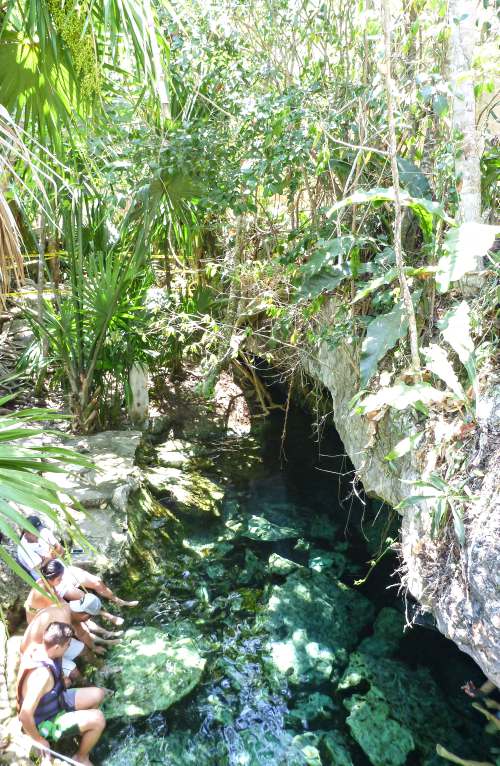
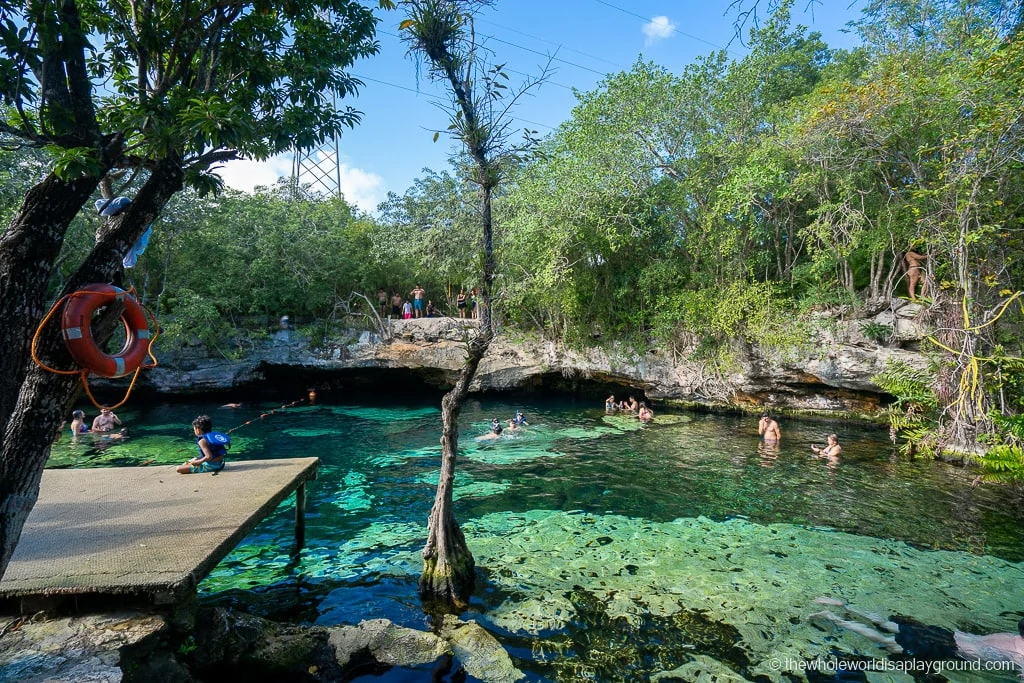
Beautiful open cenote with clear turquoise water surrounded by lush vegetation. Popular with locals and families. Features multiple swimming areas and cliff jumping platforms (3-5 meters). 2026: $8 USD. Bring water shoes for rocky areas.
Cenote Calavera
Cenote

Cenote Calavera

Tulum · semi-open

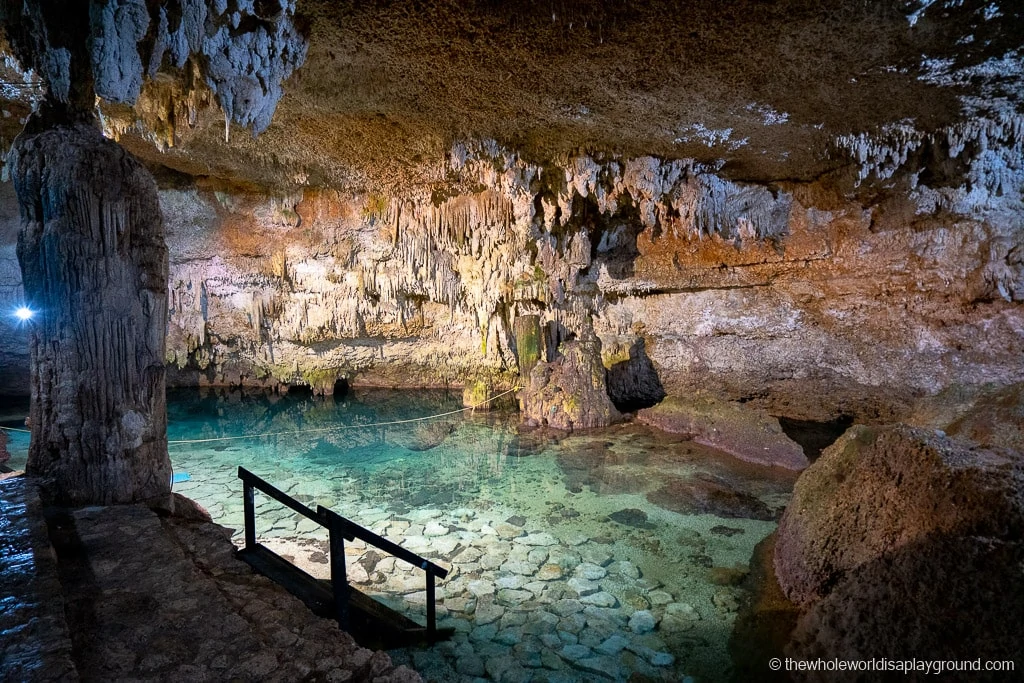
Unique semi-open cenote with three small openings in the ceiling (like eyes and a mouth, hence 'Calavera' or skull). Features a rope swing and diving platforms. Less crowded than Gran Cenote. Popular with Instagram photographers. 2026: $13 USD.

Cenote Choo-Ha
Cenote

Cenote Choo-Ha

Coba · cave

Underground cavern cenote with multiple ceiling openings allowing natural light to stream in. Features stunning stalactites and crystal-clear water. Often combined with a visit to Coba ruins. 2026: $5 USD. Life jackets mandatory. Less crowded than the Tulum cenotes.

Cenote Cristalino
Cenote

Cenote Cristalino

Playa del Carmen · open

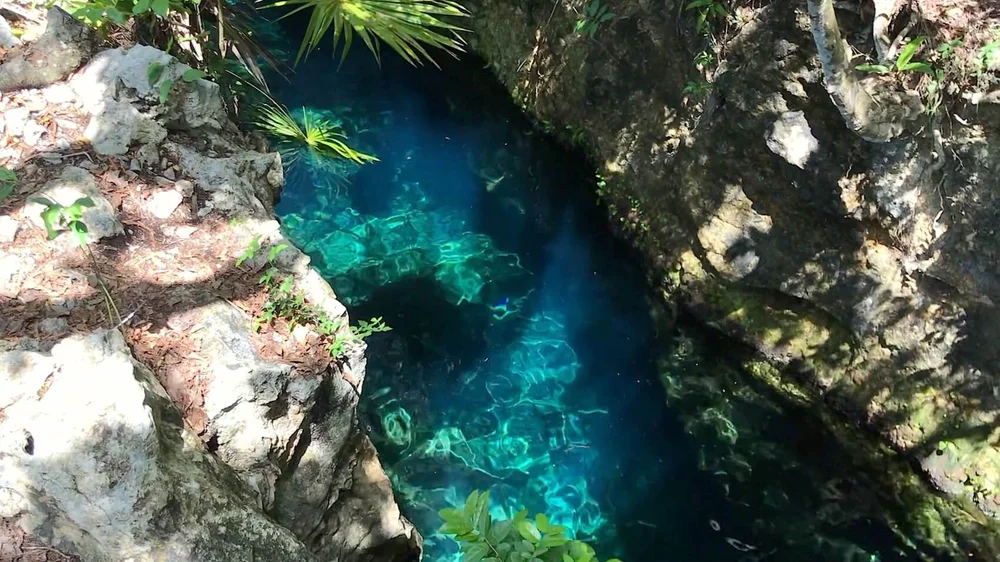
Crystal-clear open cenote surrounded by lush jungle vegetation. Three separate swimming areas with a wooden platform for jumping. Features underwater caves for snorkelers. 2026: $10 USD. Less crowded than Gran Cenote. Great for families and those wanting to avoid the tourist crowds.

Cenote El Pit
Cenote

Cenote El Pit

Tulum · cave

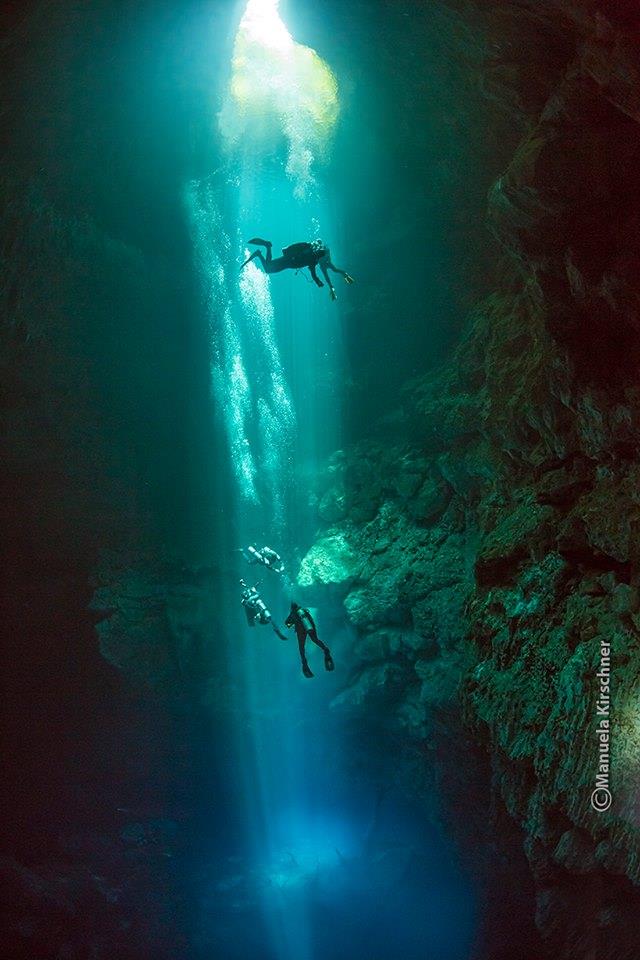
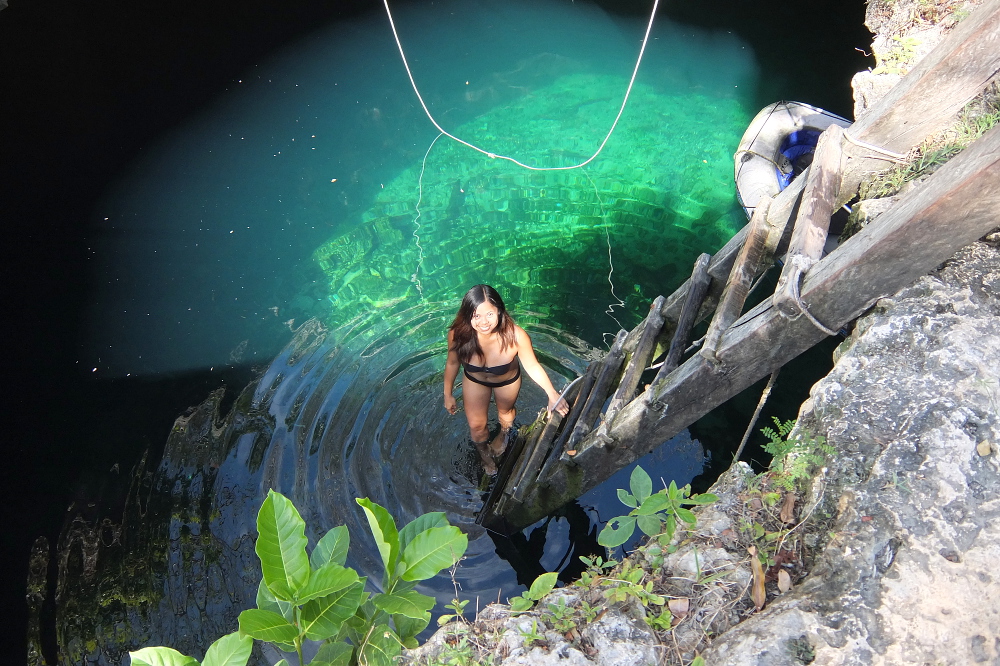
World-famous diving cenote - a deep cylindrical shaft with a narrow opening at the top. Sunlight creates a dramatic laser beam effect through the water. Depth of 40+ meters. 2026: $20 USD. For advanced divers only. The most famous cenote for cave diving photography.

Cenote Ik Kil
Cenote

Cenote Ik Kil

Yucatan · open

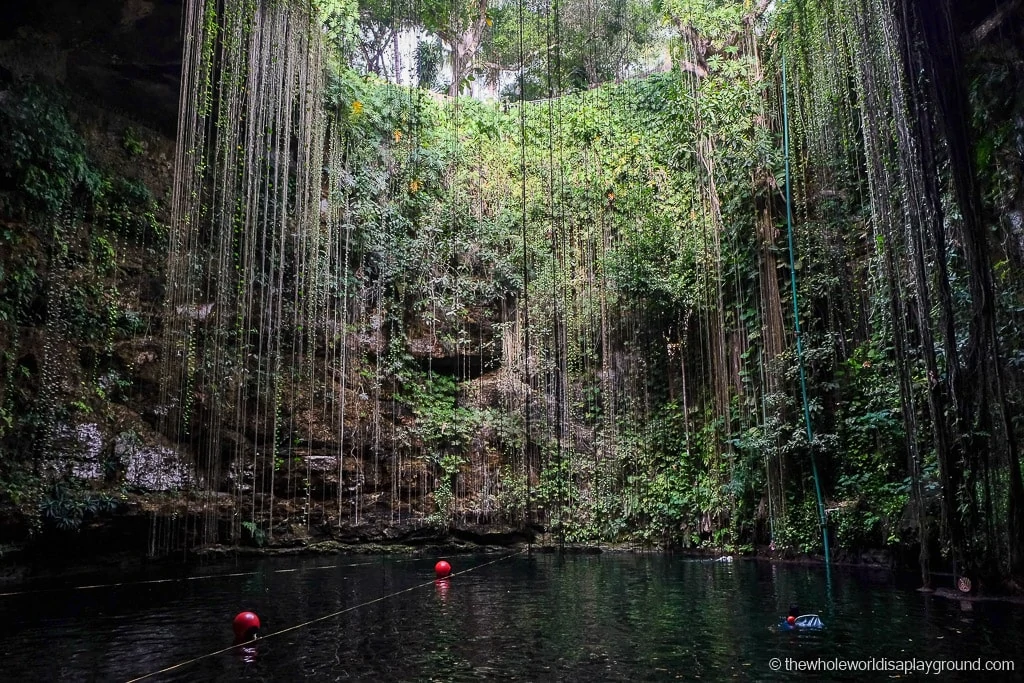
Iconic open cenote near Chichen Itza with hanging vines and cascading roots. One of the most photographed cenotes in Mexico. Features a grand staircase descending into the water. 2026: $10 USD. Perfect stop after visiting Chichen Itza.

Cenote Jardin del Eden
Cenote

Cenote Jardin del Eden

Playa del Carmen · open

Large open cenote with a natural garden feel. Crystal-clear water surrounded by tropical plants and rock formations. Features a 4-meter cliff jump, underwater caves, and a relaxing atmosphere. 2026: $10 USD. Popular with locals and families. Bring a picnic for the palapa areas.

Cenote Nicte-Ha
Cenote

Cenote Nicte-Ha

Tulum · open

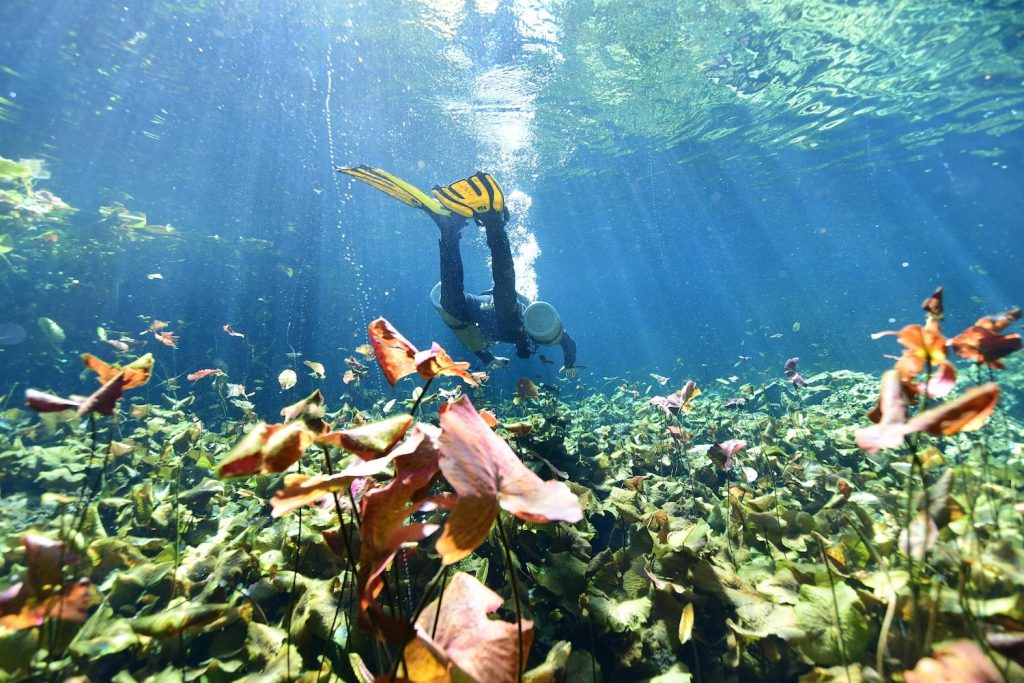
Stunning open cenote with water lilies floating on the surface. The name means 'Water Flower' in Maya. Features crystal-clear water, underwater cave connections, and abundant aquatic life. 2026: $15 USD. A favorite among photographers and divers. Less crowded than Gran Cenote.

Cenote Suytun
Cenote

Cenote Suytun

Valladolid · cave

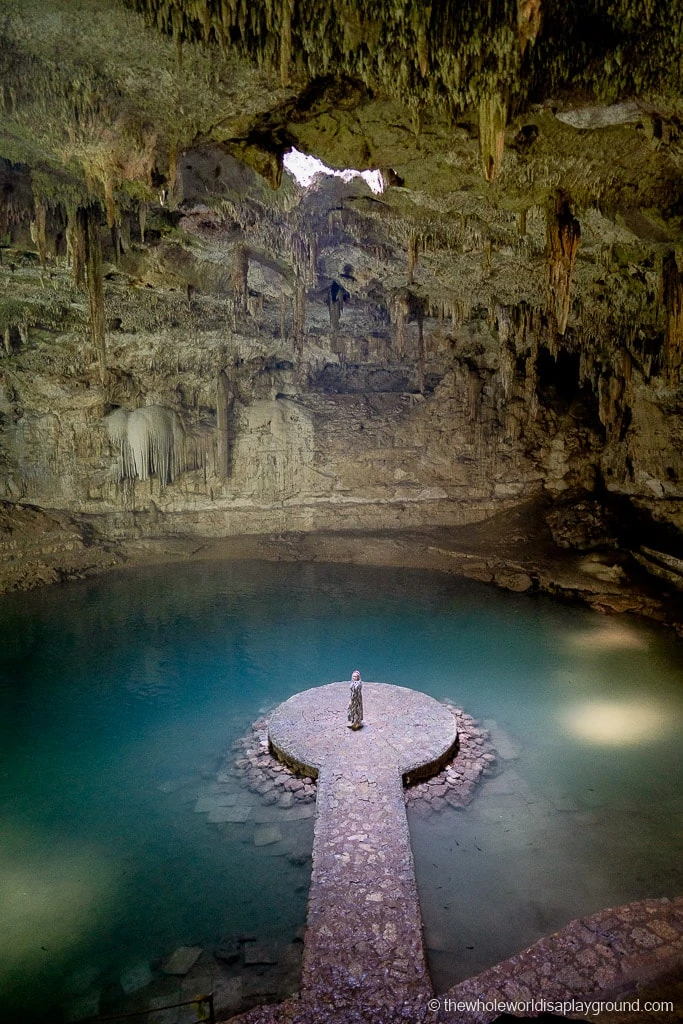
Famous for the single beam of light shining through the ceiling opening onto a circular platform. Underground cavern with crystal-clear water and stalactites. 2026: $8 USD. Life jackets mandatory. Best photos at midday.

Dos Ojos
Cenote

Dos Ojos

Tulum · cave

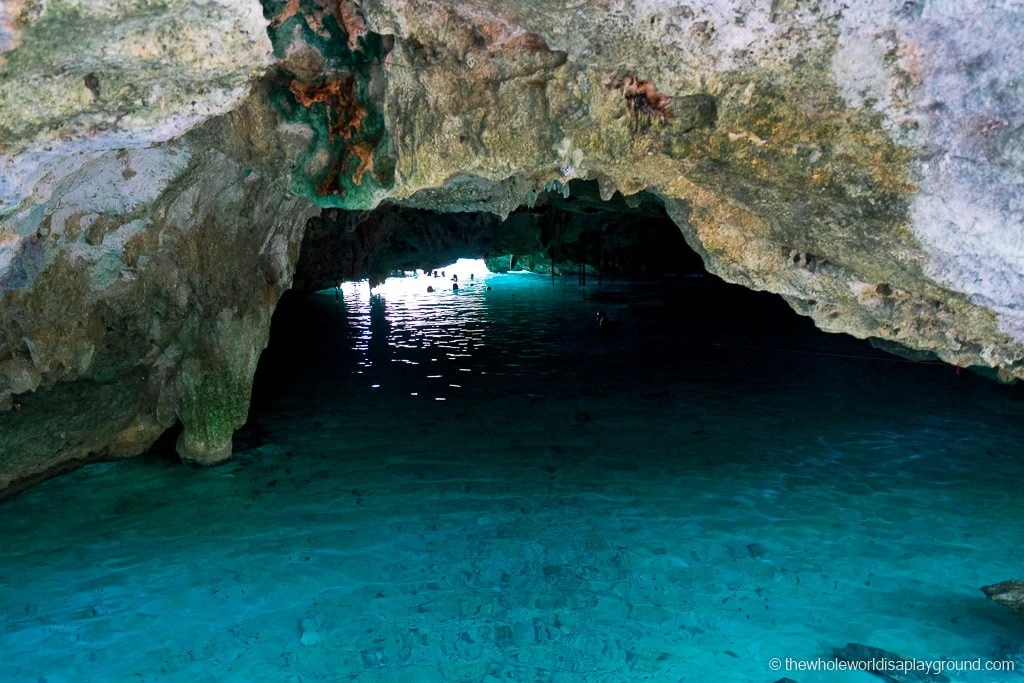
World-famous cave cenote and premier diving site. Two connected sinkholes with crystal-clear water. Features the famous Bat Cave and stunning underwater formations. 2026: $18 USD. Cave diving requires certified guides.

Gran Cenote
Cenote

Gran Cenote

Tulum · open

The crown jewel of Riviera Maya cenotes. Located just 5 km from Tulum, this open-air paradise features turquoise waters, stalactites, and connected cave systems. 2026: $25 USD entry. Arrive at 8 AM to avoid crowds. Biodegradable sunscreen ONLY - they check bags.

Frequently Asked Questions About Cenotes

What is a cenote?
A cenote is a natural sinkhole formed when limestone bedrock collapses, exposing groundwater underneath. The Yucatán Peninsula has over 6,000 cenotes, created by the same meteorite impact that killed the dinosaurs. Ancient Maya considered them sacred portals to the underworld (Xibalba) and used them for rituals and water supply.
Is it safe to swim in cenotes?
Yes, swimming in cenotes is generally very safe. The water is fresh, clean, and often crystal clear. Most cenotes are shallow near the edges, but some have deep sections. Always follow safety guidelines: use provided life vests if required, don't jump from unauthorized spots, and be careful on slippery surfaces. Never swim in cenotes after heavy rain as water clarity can be reduced.
Do I need to know how to swim?
No, you don't need to know how to swim to enjoy cenotes. Most cenotes require life vests for all visitors (mandatory in many places). Some cenotes have shallow areas where you can stand. However, for the best experience and to explore deeper areas, basic swimming skills help. If you're not comfortable swimming, stick to open cenotes and avoid cave or cavern cenotes.
What should I bring to a cenote?
Bring: swimwear, biodegradable sunscreen (regular sunscreen is banned in many cenotes to protect the ecosystem), a towel, water shoes (for rocky surfaces), and cash for entrance fees. Don't bring: regular sunscreen, lotions, or oils that can contaminate the water. Many cenotes require you to shower before entering. Snorkel gear is great if you have it, though some cenotes rent equipment.
What's the difference between open, semi-open, and cave cenotes?
Open cenotes are completely open to the sky like a swimming pool - best for beginners and families. Semi-open cenotes have partial cave openings with natural light filtering through - a mix of cave and open experience. Cave cenotes are mostly underground with only small openings - more adventurous, darker, and require more comfort in water. Cavern cenotes have large cave systems you can explore with guided diving or snorkeling.