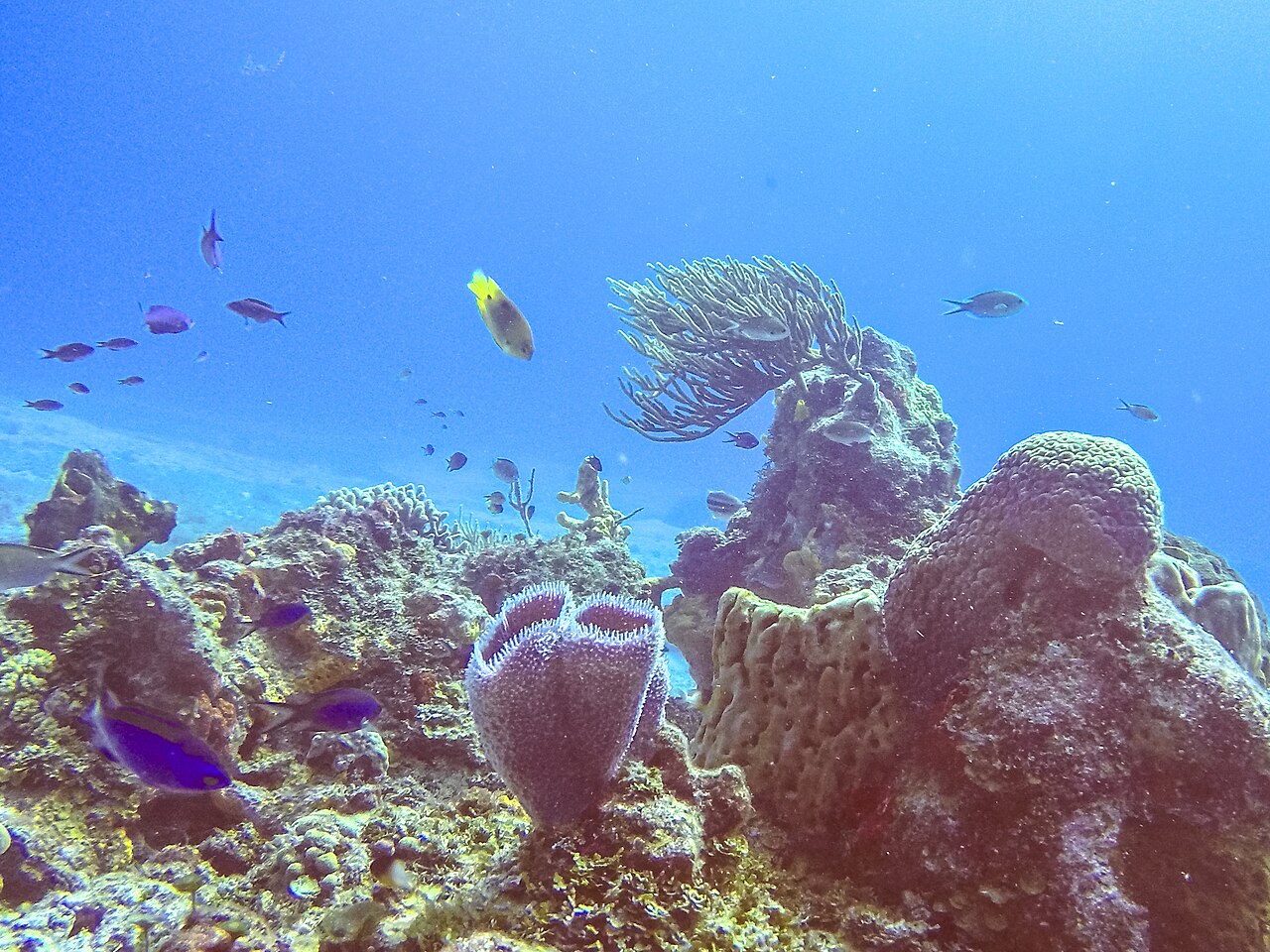
Cozumel Marine Park in 2026: Coral Restoration, New Dive Protocols, and What's Changed for Divers
The Cozumel Marine Park, the protected marine area that covers the island's southern reefs and the surrounding Mesoamerican Barrier Reef system, is in the middle of a multi-year coral restoration program in 2026, and the changes have started to affect how divers experience the park. The most visible change is a new set of dive protocols, including updated buoyancy requirements and site rotation rules, that have been phased in across the 2025 and 2026 seasons. For divers planning a trip in late summer 2026, the short version is that the diving is as good as it has been in years, but the rules around it have tightened.
Cozumel is the most dived destination in the Mexican Caribbean, and the marine park is the reason. The reef system here is the southern anchor of the Mesoamerican Barrier Reef, the second-largest reef system in the world, and the combination of wall dives, drift dives, and the protected marine ecosystem makes it the most consistent dive destination on the Riviera Maya coast. The island is a 45-minute ferry ride from Playa del Carmen, and the ferry runs roughly hourly from the pier at the southern end of Quinta Avenida.
The coral restoration program
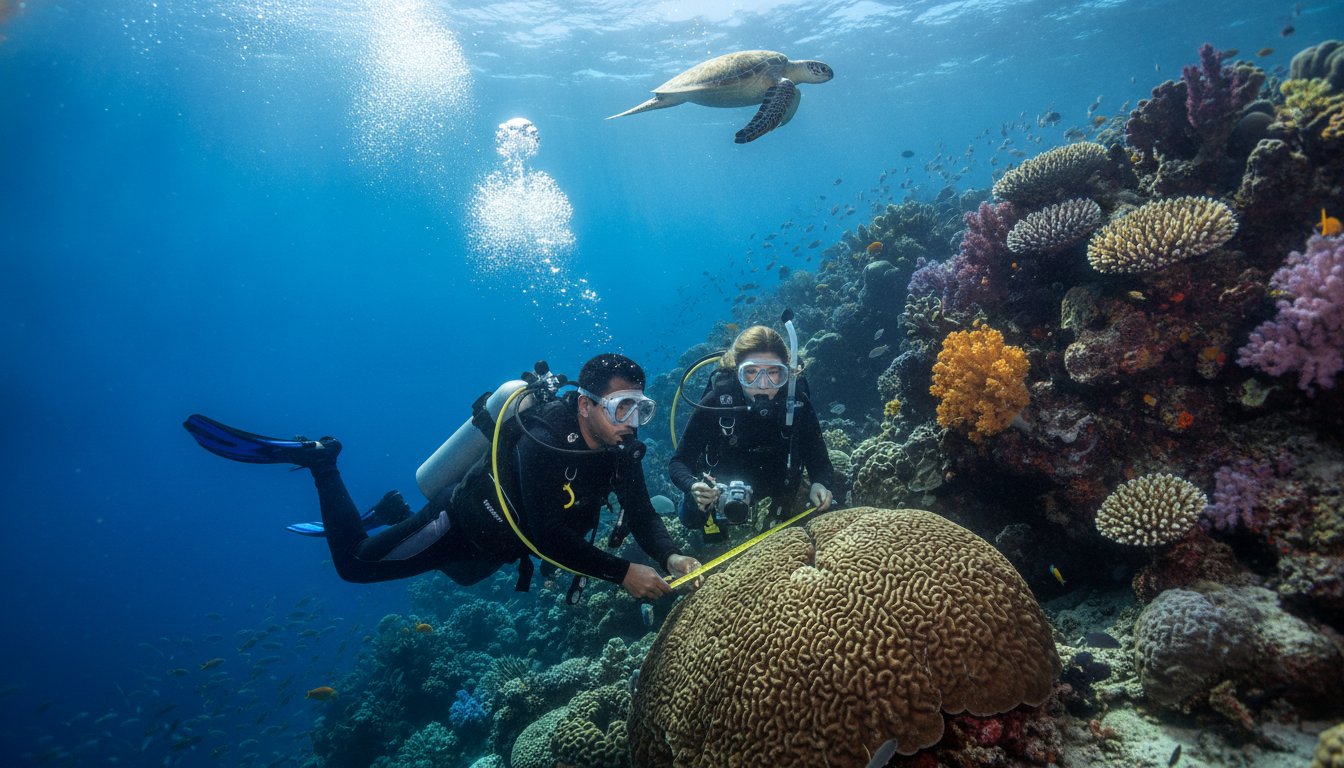
The coral restoration program in the Cozumel Marine Park is the most ambitious in the Mexican Caribbean, and it is the backdrop for the 2026 dive protocol changes. The program, run by the Cozumel Parks and Museums Foundation in partnership with academic institutions, focuses on restoring the elkhorn and staghorn coral populations that have been most affected by bleaching and disease across the Caribbean. Coral nurseries have been established at several sites on the southern reefs, and the program has begun outplanting lab-grown coral fragments onto degraded reef sections.
The restoration work is most visible at the Palancar and Columbia reef sites, where coral tables and nursery structures have been installed at depth. Divers are not permitted to touch or interfere with the nursery structures, and several of the restoration sites have been added to the list of areas where diving is restricted or requires a guided dive with a park-certified operator. The program is one of the reasons the marine park fee was adjusted in 2026, with a portion of the new fee structure directed to the restoration budget.
New dive protocols and the marine park fee
The dive protocol changes introduced in 2025 and refined in 2026 are aimed at reducing diver contact with the reef. The most significant change is a tighter buoyancy requirement at certain sites, particularly the wall dives on the southern reefs, where divers are now expected to demonstrate a minimum level of buoyancy control before being allowed to descend on the more sensitive sections. In practice, this means that some dive operators are running a short buoyancy check on the first dive of a trip, and divers who do not meet the standard are routed to less sensitive sites.
The marine park fee has also been restructured. The previous flat fee has been replaced with a tiered structure that separates the park access fee from the reef protection fee, with the total cost per diver per day roughly equivalent to the previous fee but with a clearer breakdown on the dive invoice. The fee is collected by the dive operator and is in addition to the dive package price. Divers should expect to see the fee itemized on their final bill.
What has not changed: the dive sites themselves
The dive sites in the Cozumel Marine Park remain the same, and the diving in 2026 is reportedly as good as it has been in several years. The southern wall dives, Palancar Bricks, Palancar Horseshoe, Columbia Wall, and Santa Rosa Wall, are the signature deep dives, with drift currents that range from mild to strong. The shallower sites, including Paradise Reef, Chankanaab, and Yucab, are the standard second-dive sites and are the best options for newer divers and for photographers.
Visibility on the southern reefs in August is typically in the 25 to 35 meter range, with water temperatures around 28 to 30 degrees Celsius. The current on the wall dives runs north to south, and most dives are planned as one-way drift dives with the boat picking up divers at the end. The Cozumel Coral Reef Festival, running 15 to 17 August 2026, is a useful anchor for a dive trip, with organized dives and a marine conservation program running alongside the public festival events on the San Miguel boardwalk.
Planning a dive trip in late summer 2026
For a late July or August 2026 dive trip, the most practical approach is to book a dive package with one of the established operators on the island, confirm the marine park fee in advance, and plan for the buoyancy check on the first dive. The ferry from Playa del Carmen is the easiest access point, and most dive operators offer pier pickup for guests staying in Playa del Carmen or Tulum. The restoration program, the new protocols, and the fee changes are all aimed at keeping the Cozumel reef system diveable for the long term, and the 2026 season is one of the better recent years to dive it.