Tulum Beaches in Summer 2026: Sargassum, Cenotes, and How to Plan Around the Seaweed
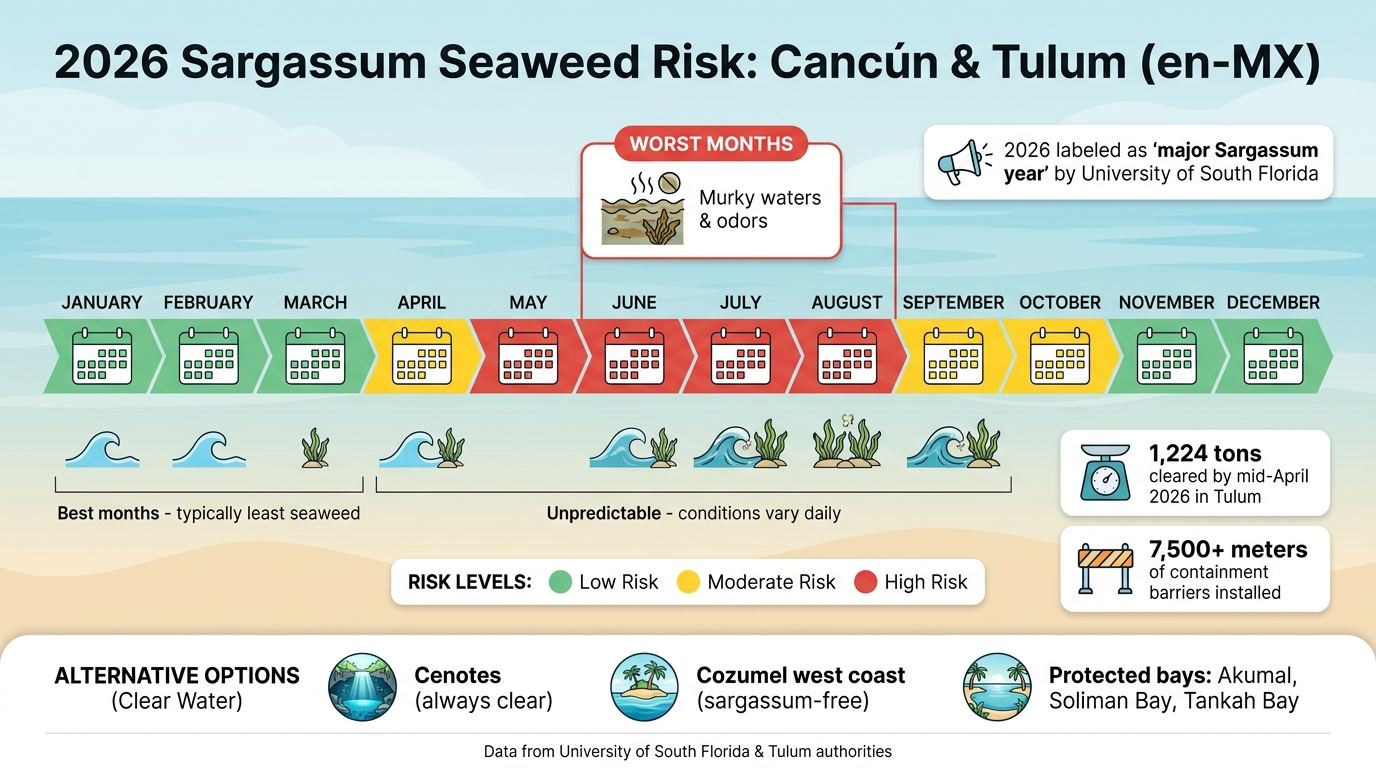
The sargassum situation on Tulum's beaches in summer 2026 is best described as managed but ongoing. The record seaweed levels that hit the Riviera Maya in 2025 have continued into the 2026 season, and the public beach access points in the Tulum Hotel Zone and the Pescadores area are still seeing daily accumulation, particularly when the current pushes from the southeast. The municipal sargassum barrier fleet and the beach cleaning crews are active, but the seaweed still arrives faster than it can be removed on the worst days.
For travelers planning a Tulum trip in July, August, or September 2026, the practical answer is not to cancel the beach portion of the trip, but to build flexibility into it. The beaches are not closed, and on good days, particularly after a north wind, the water is clear. But the odds of hitting a heavy seaweed day are high enough that a backup plan is essential, and the backup plan in Tulum is almost always a cenote.
Which Tulum beaches are most affected
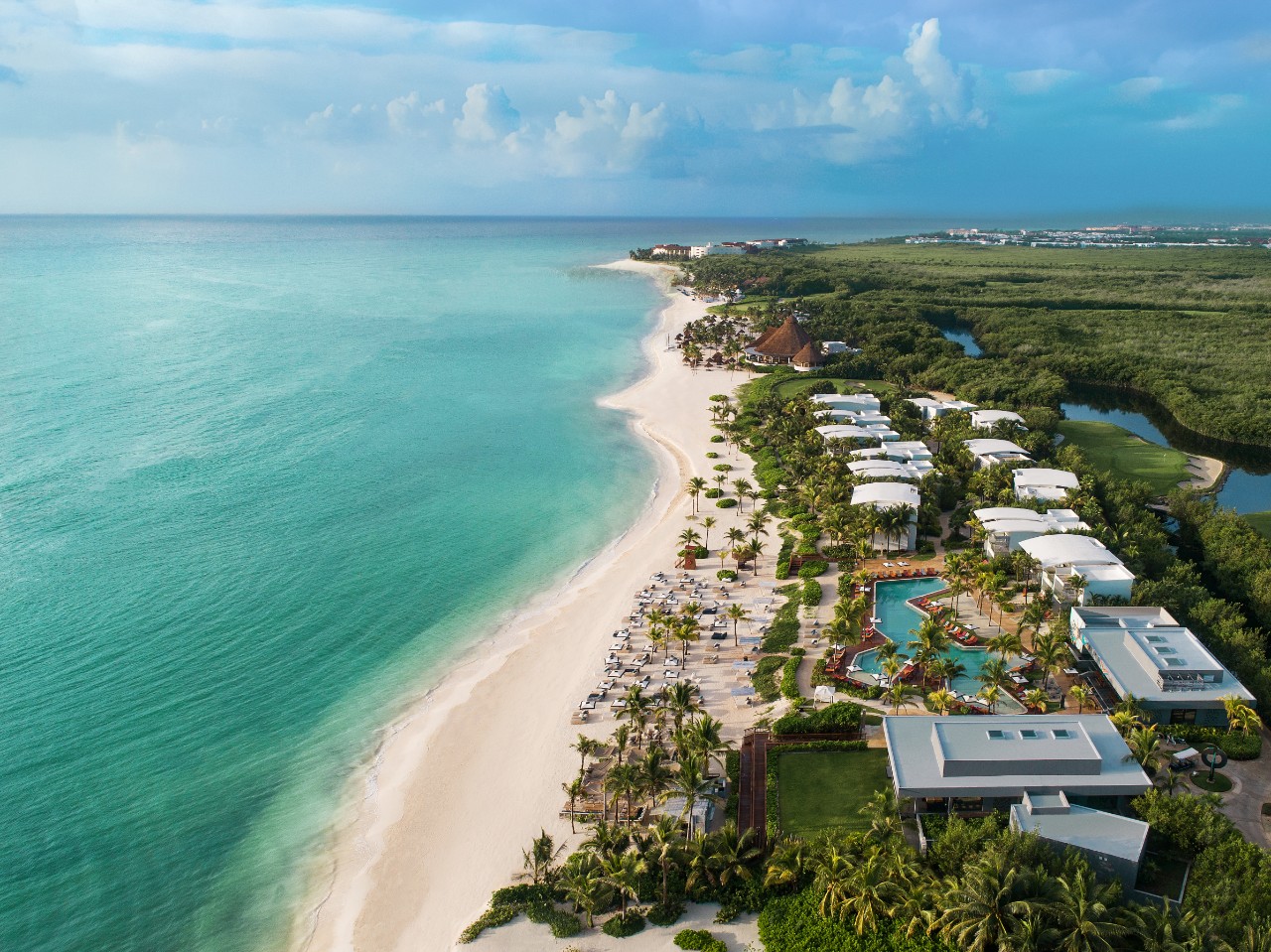
The two public beach access points in Tulum, the Santa Fe access and the Pescadores access at the end of the beach road, are the most consistently affected. Both are wide, east-facing beaches with no natural barrier, and both sit directly in the path of the prevailing sargassum current. The hotel zone beaches in front of the larger beach clubs, including Papaya Playa Project, RosaNegra, and Ahau, are cleaned more aggressively because the venues have private crews, but the seaweed still reaches the waterline on heavy days.
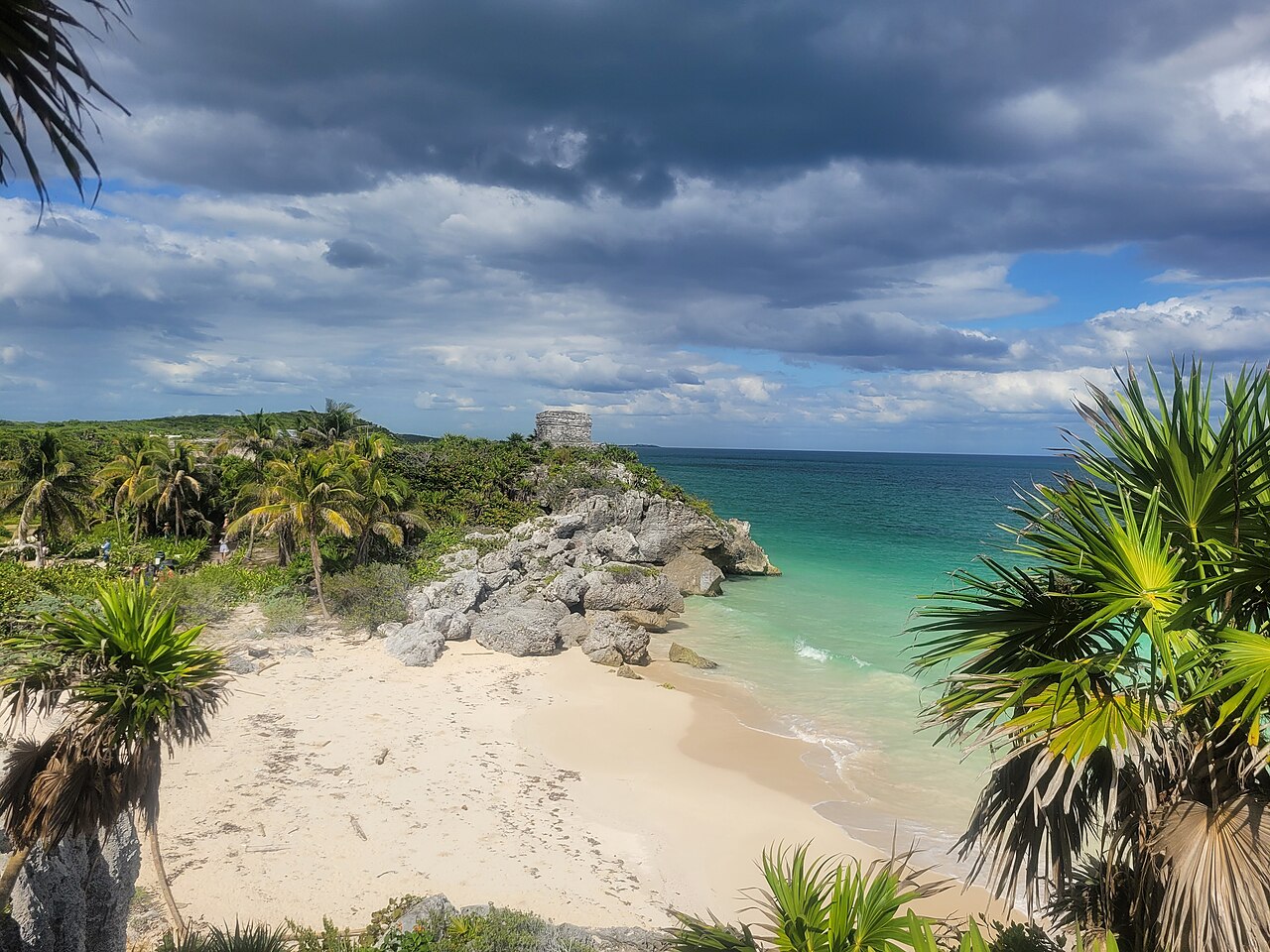
The beach in front of the Tulum archaeological site, the small cove below the El Castillo pyramid, is partially protected by the reef and the headland, and it tends to accumulate less than the open stretches to the north and south. It is also the most photographed beach in the area, which means it is cleaned first. If you want to swim in the ocean in Tulum and the sargassum is heavy, this is the most likely place to find clear water, but it is a small cove and it gets crowded quickly.
The cenote backup plan
If the ocean is not an option, the cenotes are Tulum's strongest asset. The freshwater sinkholes are inland, unaffected by sargassum, and several of them are within a 15 to 30 minute drive of the beach zone. Gran Cenote, Cenote Calavera, and Cenote Dos Ojos are the closest to Tulum town, and all three are swimmable with snorkeling and diving options. Cenote Azul and Cenote Cristalino, both further north on the road toward Playa del Carmen, are larger, shallower, and better suited for families with children.
The cenotes fill up on weekends, particularly in July and August when Mexican domestic tourism is at its peak, so the best strategy is to go early, ideally before 10 AM, or to book a guided tour that includes transport and timed entry. Most cenotes charge an entry fee of MXN 100 to MXN 500 per person, with higher fees at the more developed sites. The Riviera Maya Cenote Festival, running 22 to 24 August 2026 along the Ruta de los Cenotes inland from Puerto Morelos, is a useful anchor if you want to build a trip around the cenote ecosystem rather than the beaches.
How to check sargassum conditions before you go
The most reliable way to check sargassum conditions before heading to a Tulum beach is to check the live webcams operated by the beach clubs and the municipal government, and to look at the previous 24 hours of satellite imagery from the Optical Oceanography Laboratory at the University of South Florida, which publishes a daily sargassum forecast for the Caribbean. The forecast gives a rough sense of whether the current is pushing seaweed toward the coast, and it is more useful than the daily beach reports, which only describe conditions after the fact.
As a general rule, if the forecast shows a high sargassum index for the eastern Caribbean and the wind is from the southeast, expect heavy accumulation on the Tulum beach zone within 24 to 48 hours. If the wind is from the north or the northwest, conditions are usually clearer. The beach clubs also post daily updates on their Instagram stories, which is the fastest source of real-time information on the ground.
Planning around the seaweed
The most practical approach for a summer 2026 Tulum trip is to treat the beach as a maybe and the cenotes as a definite. Book a hotel that is within easy reach of both, plan the beach days for the days with a favorable wind forecast, and keep a short list of cenotes you can reach in under an hour. The sargassum is not going away, and it is not unique to Tulum, it is a Caribbean-wide phenomenon, but the quality of the cenote alternatives in the Riviera Maya makes the region better positioned to absorb it than most other beach destinations in Mexico.